
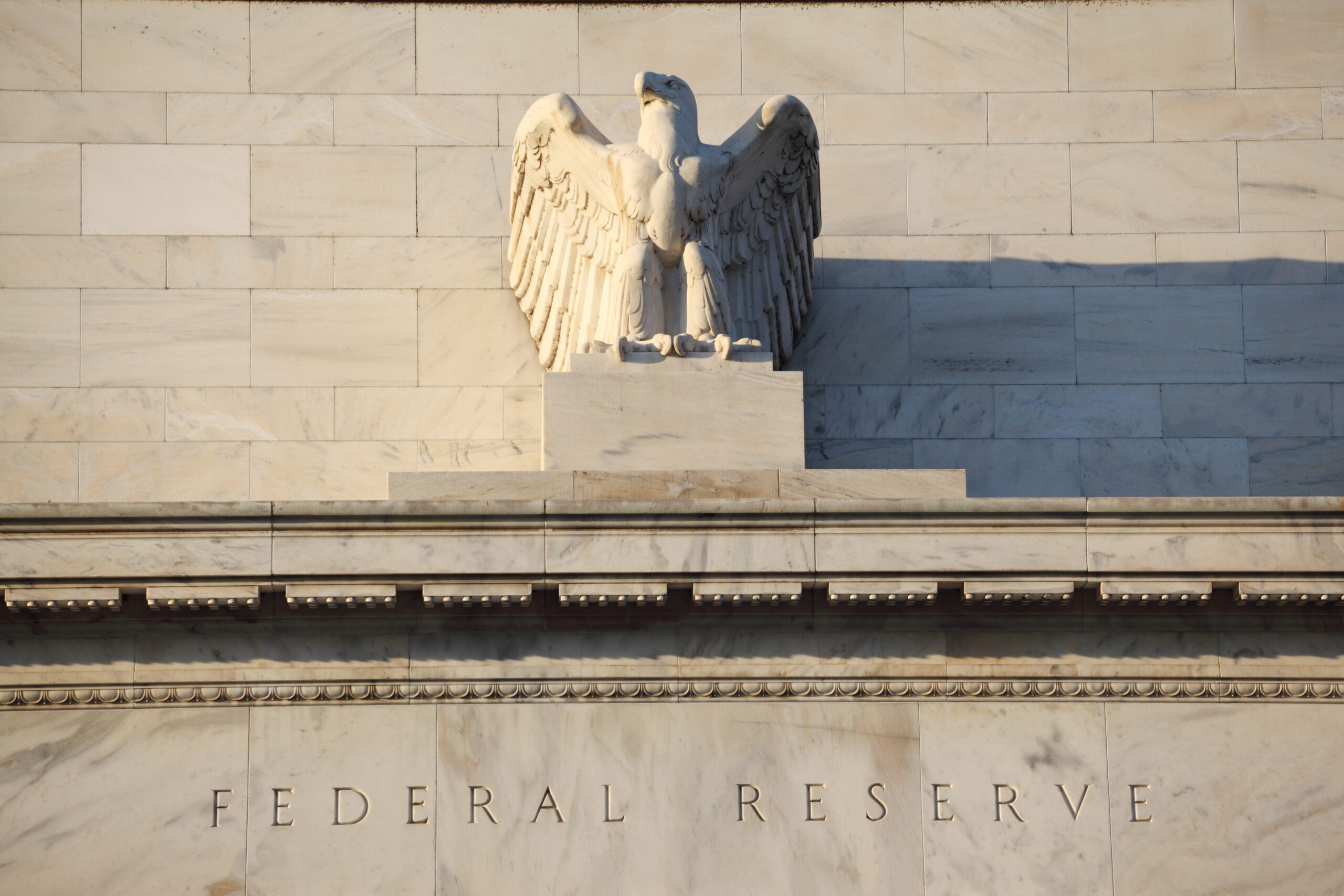

The Federal Reserve today announced a reduction in its benchmark interest rate by 25 basis points, lowering the target range to 3.50%–3.75%. This decision marks the central bank’s third consecutive rate cut as it attempts to execute a “soft landing” for the U.S. economy. According to the Federal Reserve press release, the move was made “in light of the shift in the balance of risks,” specifically aiming to shore up a labor market that has shown clear signs of fatigue while acknowledging that inflation remains somewhat elevated above the central bank’s 2% target.
The central bank’s updated economic outlook paints a picture of cautious moderation. In its Summary of Economic Projections, the Fed revealed that the median projection for the unemployment rate is expected to rise to 4.5% by the end of the year. While economic activity has continued to expand at a moderate pace, officials are grappling with conflicting signals: job gains have slowed significantly, yet inflation has ticked up recently due to supply chain pressures and tariff concerns. Federal Reserve Chair Jerome Powell emphasized that the cut is intended to “stabilize” the cooling labor market, though he signaled that the path forward is far from predetermined.
Several external factors complicated this policy decision, leading to a rare split vote among the committee members. Yahoo Finance analysis highlights that three officials dissented—the most significant internal disagreement since 2019—with opinions diverging on whether to pause cuts or cut more aggressively. Beyond the immediate data, the Fed is also navigating a clouded economic landscape exacerbated by a recent government shutdown, which delayed critical employment data, and renewed inflationary fears stemming from trade tariffs. These variables have led policymakers to adopt a strictly “data-dependent” stance for 2026.
Market reaction to the news was largely positive, with major indices rallying as investors welcomed the continued easing of monetary policy. However, the outlook for future cuts remains uncertain. While the Fed’s “dot plot” suggests the potential for one additional cut next year, the divided committee indicates that future reductions are not guaranteed. The Fed reiterated that it is prepared to adjust its policy if the economy weakens further or if inflation persists, leaving investors and consumers alike to watch forthcoming economic reports closely for signs of the next move.