
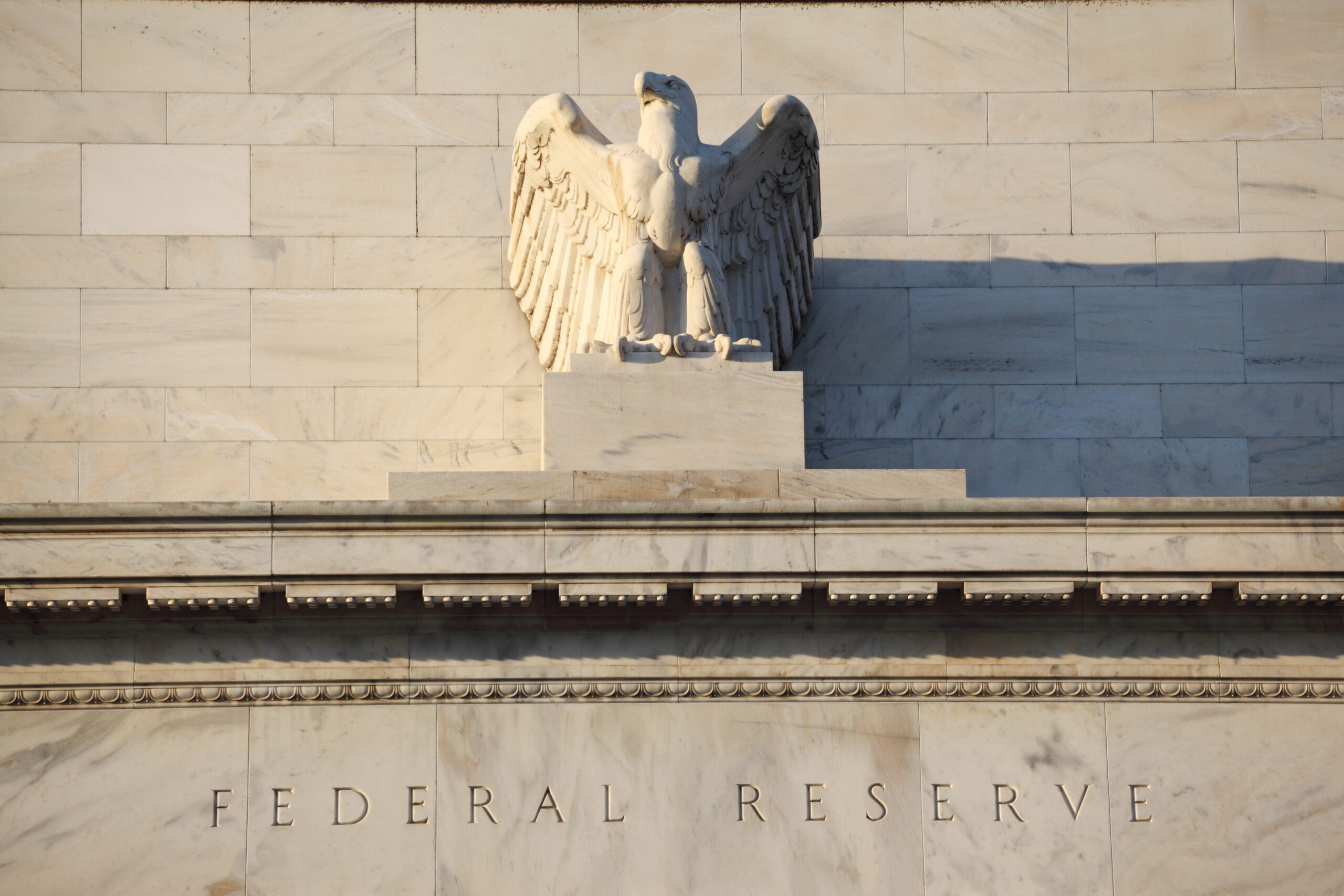

The Fed cut rates 25bps to a 3.50%-3.75% target range on a 9-3 vote split (Chicago’s Goolsbee and KC’s Schmid voted no change and temporary [Trump] Governor Miran voted for 50bps cut). However, the Fed’s Statement of Economic Projections (dot plot) revealed even wider dissension among FOMC participants: 6 of 12 regional Bank Presidents (4 vote each year) projected a year-end ’25 target range of 3.75%-4.00%, meaning four ‘25 non-voters would have voted to keep rates on hold if they had ’25 voting rights. From a Fed perspective, next year promises to be very interesting.
As we forecast on Monday, the Fed adopted its latest version of “non-QE” balance sheet growth, pledging monthly purchase of $40B of Treasury bills (beginning Friday) “solely for the purpose of maintaining an ample supply of reserves.” Chair Powell insisted, “these issues are separate from and have no implications for the stance of monetary policy.” Of course, the new facility addresses the same liquidity shortage in the massive $13T overnight general repo market which motivated the Fed to initiate its prior “non-QE” balance sheet growth during the Sept. ’19 repo crisis.
For reference, U.S. M2 monetary growth over the past year totaled $990B, or $82.5B/mo., so the new T-bill facility measures nearly 50% of total M2 growth. QE or not QE? We find these technical distinctions specious because the bottom line is Fed is clearly worried about systemic liquidity. Call it what you wish…
AI Watch: Back in mid-September, we cited Oracle’s 35% single day jump on a pact to sell $300B worth of cloud computing capacity (over 5 yrs.) to OpenAI (despite OpenAI est. ’25 revenue of $13B), as a warning sign of peak AI exuberance. Already down 35.4% from Oracle’s 9/10 peak, Oracle shares are trading down 10% in Thursday morning trading after reporting its AI capital spending in fiscal year (May) ’26 will reach $50B (a $15B increase from Sept. forecasts).
Mexico’s Senate on Wednesday voted in favor of a bill imposing tariffs between 5% and 50% on more than 1,400 products from Asian nations that don’t have a trade deal with Mexico. The bill’s clear intent is to shield Mexican commerce from the flood of Chinese export dumping in the wake of U.S. tariffs.
Indonesia will impose duties of 10%-15% on exports of a wide range of gold products beginning December 23rd.
Euro Stoxx 50 +0.55%, S&P futures -0.25% and Nasdaq futures -0.4%. DXY dollar index -0.3%, spot gold -0.25% and spot silver +0.6% (gold/silver ratio at 67.8).