Wealthion Macro Bites - Oil Could Hit $120, Goldman Warns
The recent escalation of Gulf hostilities marks one of the deadliest periods in the war for U.S. troops. Two U.S. soldiers were killed when Iran attacked a U.S. base in Jordan on Friday and remains were recovered of a third soldier reported MIA. A fourth U.S. service member was killed in northern Iraq during the "controlled detonation of unexploded ordnance from a downed Iranian one-way attack drone." Axios reports that unless Iran submits to a new 10-day ceasefire and reopens the Strait of Hormuz, the U.S. and Israel are weighing a massive joint military campaign to force Tehran’s capitulation.
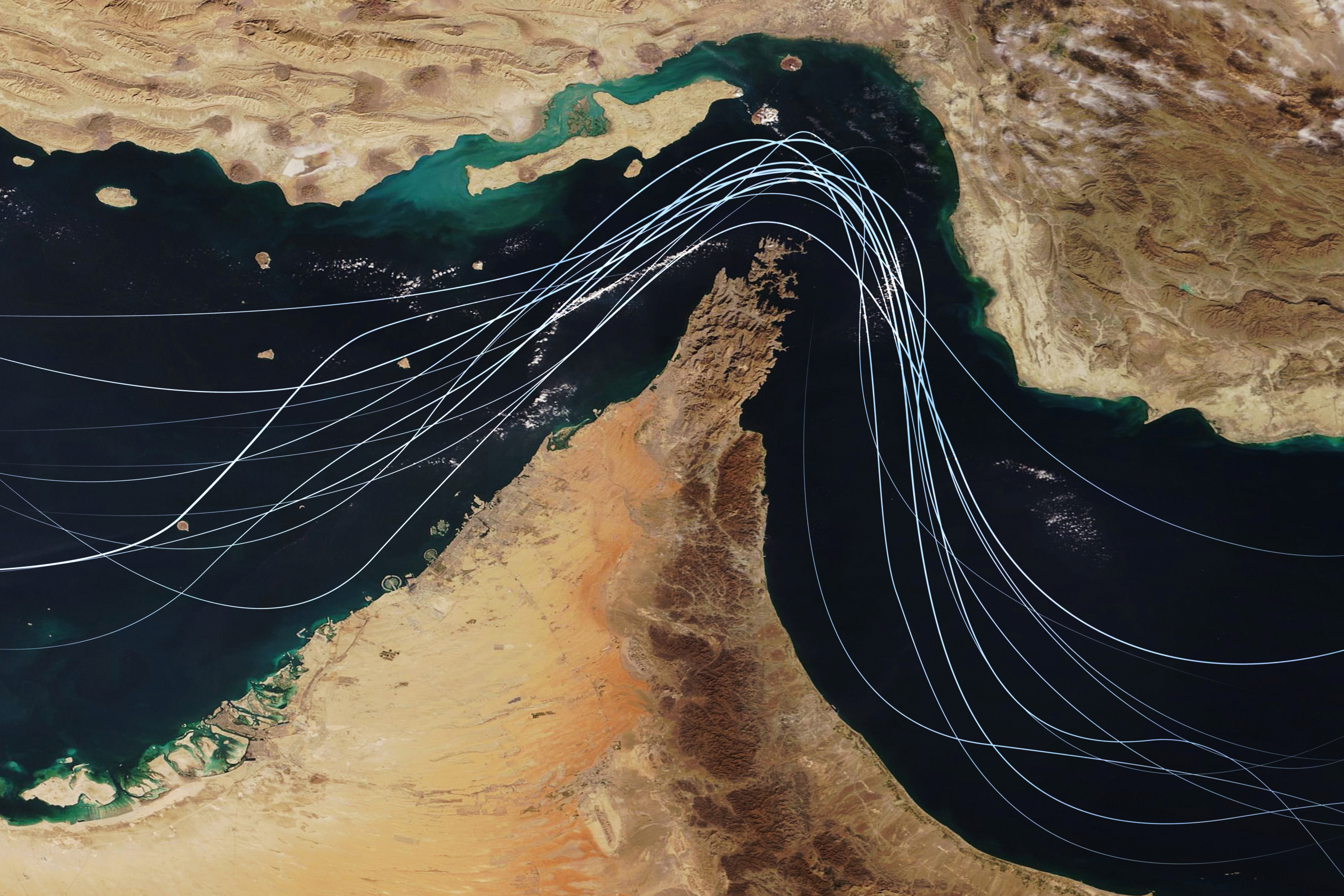
Yemen's Iran-aligned Houthis announced on Monday they would impose a naval blockade on Saudi Arabia, opening a potential new front against the U.S. in the Iranian conflict. In response, the Saudi-led coalition in Yemen stated it would respond with force and commenced protection measures for its ships moving through the Bab el-Mandeb Strait, a key export route for Saudi oil after the effective closure of the Strait of Hormuz.
Tariff watch 1: Citing Canada’s discriminatory treatment of U.S.-made cars, alcohol and dairy goods, President Trump invoked his authority under Section 338 (Tariff Act of 1930) to impose 50% tariffs on $20B of Canadian imports (incl. wine, cement, dairy products, furniture, fishing rods, seeds, clothing and ice hocky gear). In the law’s first known usage in nearly a century of existence, Section 338 permits the President to impose punitive tariffs of up to 50% against trading partners deemed to have discriminated against U.S. goods.
Tariff watch 2: President Trump also signed a proclamation on Monday using his Section 232 authority to adjust tariffs on U.S. aluminum imports and direct the U.S. Commerce Secretary to establish an incentive program for companies to invest in building, expanding or refurbishing aluminum smelters in the U.S.
Tariff watch 3: Separately, Trump signed an executive order making it harder for U.S. defense contractors to obtain waivers to buy critical minerals and other materials from China and other prohibited foreign suppliers. The new rules stipulate defense contractors will have to do more than simply show that a Chinese supplier is the easiest or cheapest option and provide documentation that they searched for alternatives, disclose the origins of their materials and provide a plan to reduce reliance on prohibited suppliers.
Goldman Sachs sees Brent exceeding $120bbl in Q4 (and avg. $100bbl in ’27) if Hormuz disruptions persist, up from current forecasts of $80bbl in Q4 and $75bbl in ’27 (with baseline assumptions of de-escalation).