Wealthion Macro Bites-Oil Braces for Chokepoint Risk
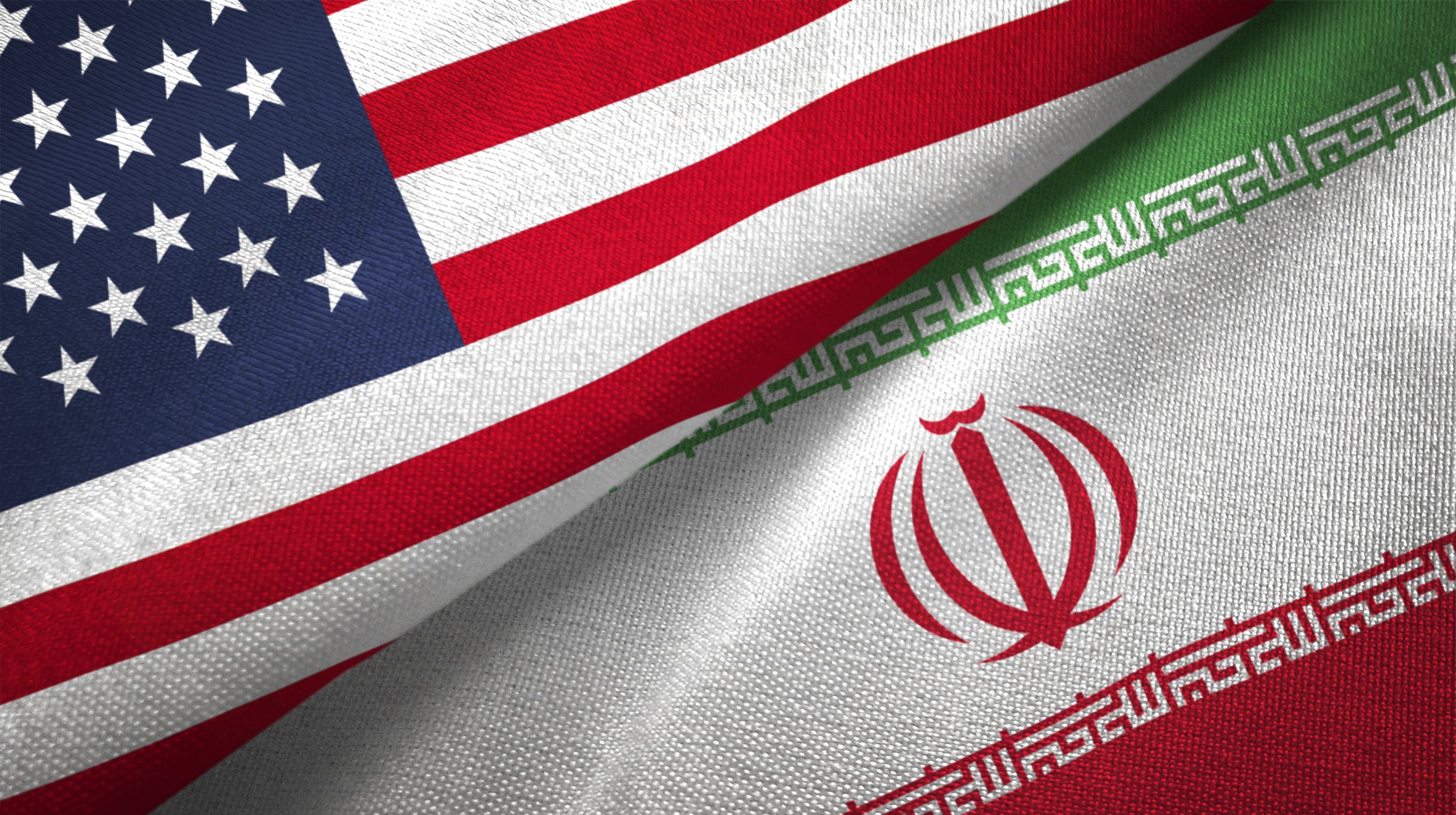
President Trump reimposed a naval blockade of all Iranian ports and threatened to hit power plants and bridges next week unless Tehran resumes negotiations and ceases attacks on commercial shipping in the Strait of Hormuz. “We’re going to hit them very hard tonight, we’re going to hit them very hard tomorrow night, we’re going to hit them very hard the night after, and then next week it gets really bad for them. Because next week comes the power plants, next week comes the bridges.”
Having choked off shipping through the Strait of Hormuz, Iran is now signaling it could direct Yemen's Houthi allies to shut the Bab el-Mandeb gateway to the Red Sea, opening a new front against Washington and putting two of the world's most vital energy arteries at risk. Houthi political bureau member Mohammed al-Farah warned, “If the current situation aggravates, the Bab el-Mandeb Strait and the Strait of Hormuz will be closed in an operational alliance. Oil prices would then skyrocket to $200 a barrel.”
President Donald Trump abandoned his plan to impose a 20% charge on cargo shipments through the Strait of Hormuz (one day after floating the fee) after U.S. allies in the Gulf urged him to drop it. Trump stated the expected revenue would be replaced by forthcoming (undisclosed) direct investments in the U.S. from (unspecified) Gulf states.
China’s total electricity generation rose 2.0% y/y in June reaching 827.6B kWh (down from 4.2% growth in May). During June, thermal generation was +0.5% y/y, hydro +4.8%, solar +14.2%, nuclear +8.5% and wind -5.6%. During H1 ’26, power generation at China's major enterprises reached 4.75T kWh (+3.5% y/y). Despite slowing June generation growth, real-time electricity demand reached an all-time high of 1.518B kW billion kilowatts on 7/10.
China National Nuclear Corporation reports China’s Changjiang Nuclear Power Plant Unit 3 (in Hainan Province) achieved first criticality on 7/10, paving the way for subsequent grid connection and power generation tests for the 1,100 Mwe Hualong One (HPR1000) nuclear reactor.
Chilean Economy and Mining Minister Daniel Mas met Tuesday with companies including Codelco, Antofagasta and Teck to review contingency plans as a powerful winter storm threatens to dump heavy rain across key copper-producing regions risking disruption to mines and transport networks. Separately, heavy rainfall from Typhoon Bavi (7/13-7/14) temporarily disrupted copper supply across Northeast China (Heilongjiang, Jilin, and Liaoning), with logistics interruptions tightening regional spot availability and lifting refined copper premiums.